
Peckish

In 1974 a group of student journalists including me and classmate John Nogowski were dispatched to grocery stores in Nashua, New Hampshire to report on the budget-busting boost in the price of 5-lbs of sugar from 79-cents to $1.29.
We were instructed to cover the cost increase from several angles including whether or not women would stop baking cupcakes for their kids’ classmates, or if the entire town would start drinking its coffee black.
Back then the cost of refining raw sugar inflation, subsidies to domestic producers and quotas on foreign supplies were all credited with the rise in the cost of the commodity.
For us it was just another step in earning that journalism degree, but we hadn’t seen nothin’ yet.
Fast forward 50-some-odd years and grocery stores don’t even sell sugar in 5-lb bags anymore, but a 4-lb bag of the stuff will set you back between $5.20 and $12 depending on where you live and where you shop.
So, it is not surprising that American consumers are pretty peeved about the state of the economy.
In fact, according to a May 2026 University of Michigan survey, consumer sentiment about the cost of living is at an all-time low. That means people are not happy with the way things are now money-wise, and they do not expect them to get much better in the near future.
Meanwhile, the US Census Bureau reports that groceries are eating up (pun intended) the biggest part of people’s cost of living budgets. Floridians for example are spending $335.24 a week – or $17,432 a year - on food alone.
Yikes!
In response, people are stretching their food budgets by eating less meat, snacking on fewer chips and refusing to let leftovers go unused. Just as we did in 1974 when all we wanted to do was get out of school, go to work and make money to buy, well, more sugar.
In between we ate what we called “poverty food” that forced us to be creative when it came to chowing down.
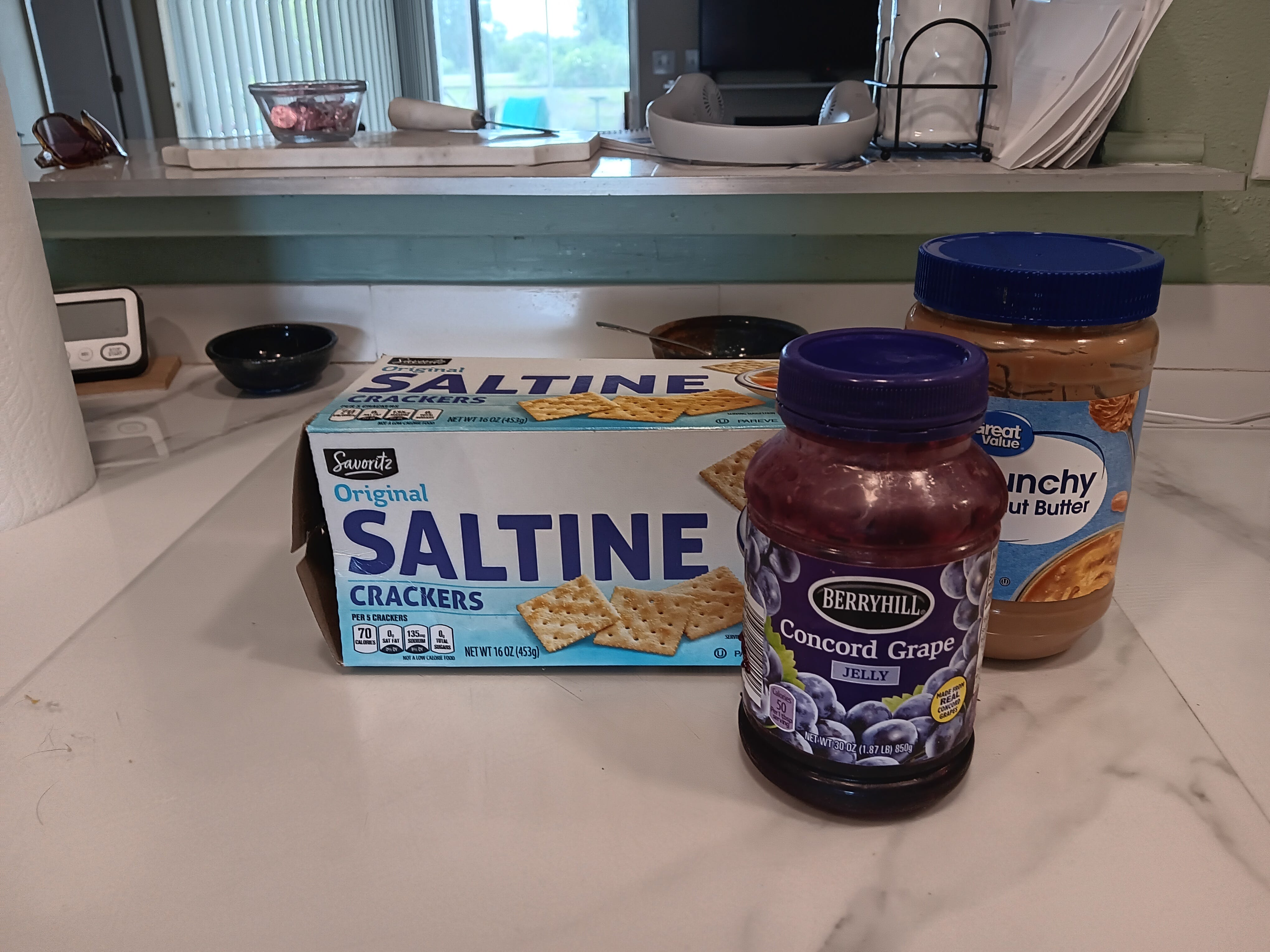
Half-century ago, nobody ever got out of college without eating at least one jar of peanut butter, some grape jelly and a box of saltine crackers, and Cup-of-soup mixes in all their variations were staples in every student larder.
These days, families are rediscovering food-related cost saving tactics that we believed we would grow out of eventually.
Like -
French toast – Probably has nothing to do with anything French, but it makes good use of stale bread and an egg or two.
Pasta e fagioli – Most Americans know it as Pasta Fazool. In February, Nutritionist Ashley Kitchen told Real Simple magazine that meat prices are encouraging families to eat more beans. Italian American families always knew this and ate this meatless dish often, especially when the Catholic Church had meatless Fridays on the books.
Anything in season – that means no watermelon in December. Period.
Tuna – the kind in the can.
Oatmeal – in the breakfast bowl and in the cookie jar.
Leftover anything – for breakfast, lunch or dinner
Finally -
Cooking, drinking at home – Just not willing to pay a $2 upcharge for a shot of scotch if I want it on the rocks or a $8 charge for a baked potato.
Really.
Now don’t get me started about being priced out of my favorite thrift stores by well-heeled women who would not have been caught dead there two months ago.
My poor persons meal was pasta, tomato paste and parm cheese. Not healthy but still a filler today.